



Prayer flags and snow mountains in a Himalayan valley

The mountain does not speak,
it uses sound toremember everything.

From the coppersmith shops of Patan to the morning kora path at Boudhanath. What we want is not to turn the Himalaya into a product, but to carry its sound further — in an honest way.

PATAN · KATHMANDU VALLEY
27°40′N 85°19′E · 1,350 M

OUR BELIEF

Sound is not background.
It is how wecome into relationship with a place.

In the Himalaya, sound has never been something to be 'consumed'. It is the monastery's horn, the coppersmith's hammer, the direction of wind through prayer flags. We believe a good object does not help you escape daily life — it helps you stay more fully in your own body.

NADA HIMALAYA · EST. 2016 · PATAN
Hand-hammered singing bowls and incense smoke in the Patan studio THE PATAN WORKSHOP · 06:40 AM

THE CRAFT · 01

A bowl's origin
is tens of thousands of hammer strikes.

In a narrow lane of Patan's old town, the Shakya family's workshop has been open for four generations. Copper softens in the furnace, is cut into discs, and is hammered inward strike by strike. The sound appears slowly in that process: not designed, but struck into being.

We do not make industrial brass, and we do not 'antique' finish. Every bowl keeps its hammer marks and slight asymmetry, because that decides its overtones. Each resonance you hear has a specific person, a specific morning, a specific hammer behind it.

“A machine can make it rounder. But round is not what makes a sound good.”Ratna Shakya · Copper artisan
View the hand-forged bowls

TWELVE STEPS · SEVEN METALS

From a sheet of copper
to a bowl that breathes.

Every bowl passes through smelting, forging, annealing, shaping, tuning and natural oxidation. The whole process takes about 21 days, depending on size and season.

01 / SMELT

Smelt the seven metals

Mix copper, tin, iron, silver, gold, zinc and nickel in the traditional proportions. Temperature and order are judged by the artisan's experience.

02 / HAMMER

Tens of thousands of strikes

From the centre outward, strike after strike, the flat plane becomes a curved surface. Hammer marks are not flaws; they are how the metal remembers force.

03 / TUNE

Listen, then tune

The artisan tests fundamental and beat frequencies with knuckles and a wooden mallet, then fine-tunes the wall. The final pitch of every bowl cannot be replicated.

04 / REST

Rest naturally

The finished bowl rests in a dark place for several days so the metal's stress can settle. There is no hurry — sound needs time to arrive.

All partner workshops are independently run · fair wages paid per piece · no bloodwood, ivory or protected-animal materials

View the finished pieces
Boudhanath Great Stupa and prayer flags in Kathmandu BOUDHANATH · MORNING KORA

THE VALLEY · 02

It begins with
the mornings of Boudhanath.

At six in the morning, the kora walkers around the great stupa of Boudhanath have already circled it three times. Copper bells, low murmurs, footsteps and the beating of pigeon wings layer on top of each other — no one is the main character. Tenzin says this was his earliest lesson in sound.

NADA HIMALAYA's office is in Patan, but much of our recording and course material comes from the mornings of the Kathmandu Valley: the kora path at Boudhanath, the first bell of Patan Durbar Square, the wind on the hillsides of Pharping.

“The sound of a place is harder to take away than its scenery.”Tenzin Norbu

KATHMANDU VALLEY · 27°40′N 85°19′E · ALT. 1,350 M

Walk into the valley with us in 2027

FIELD NOTES

Notes from the mountain.

Scattered notes about the workshop, sound and the valley. Written in Kathmandu, occasionally on the road.

Singing bowls in a sound healing practice
Notes on Sound2026.08.306 MIN READ

Why does a singing bowl's sound 'stay' in a room?

When a bowl is struck, the sound does not vanish at once. It leaves the bowl's wall, meets the walls, floor and ceiling, and returns to your ears at different times. What we call the 'resonance' is a piece of work completed by the room and the metal together.

A bowl's overtones are not a single frequency but a family of partials that are not perfectly consonant. Between them a slight 'beat' forms — two close frequencies interfering to create a slow swelling and fading. That is why some bowls sound as if they are breathing.

Next time you listen, try not to focus only on the loudest moment. Listen to it grow smaller, notice where it disappears, and hear how the room gives the sound back to you.
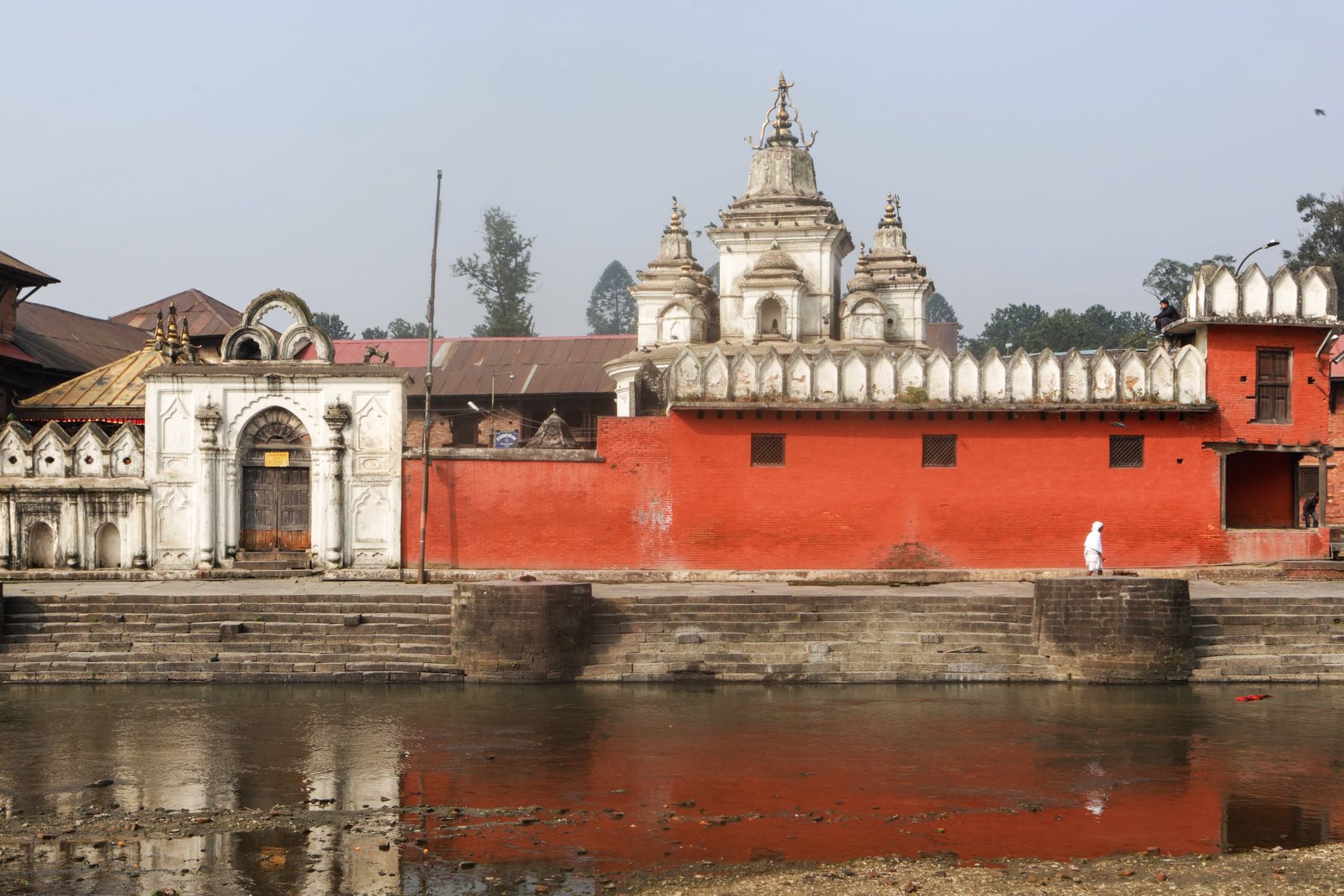
A temple and riverside in the Kathmandu Valley
Letter from the Valley2026.07.124 MIN READ

From Boudhanath to the Great Stupa: a road made of sound

At six in the morning, the kora walkers at Boudhanath have already circled the stupa three times. The prayer flags at the top clap very softly in the wind, woven into the footsteps and murmurs. We stood in a corner with a recorder for twenty minutes, and in the end the clearest sound was our own breathing.

From Boudhanath to Patan you cross the most crowded roads of Kathmandu. Motorbikes, horns and shop radios — everything is loud. But the moment you turn into a Patan lane, the sound drops suddenly, leaving only the rhythm of a hammer on copper.

We have walked this route many times. Every time it feels the same: sound is not 'captured'; it is allowed to enter.

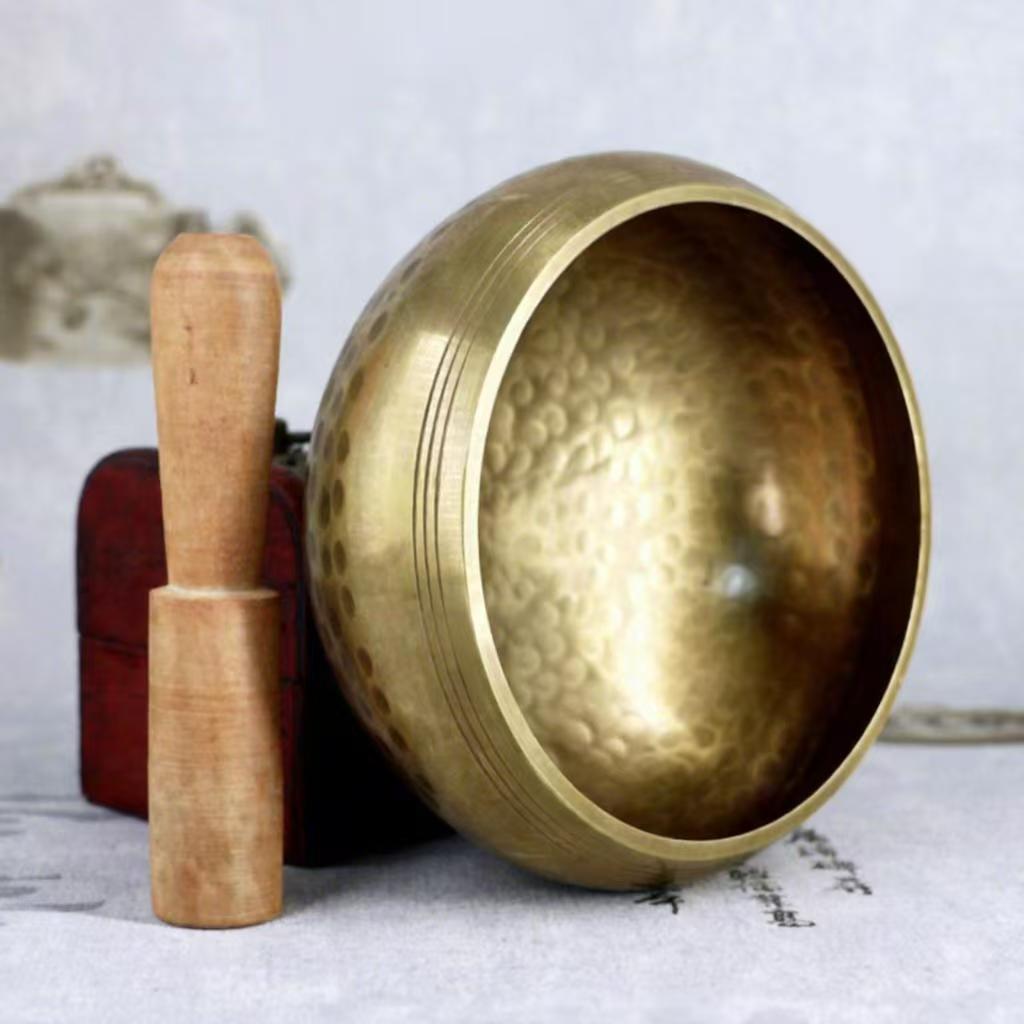
Detail of a Nepalese hand-forged copper singing bowl
Workshop Notes2026.06.215 MIN READ

Why keep the hammer marks?

The first time we entered the Shakya workshop, we asked a very amateur question: why not polish the bowl smoother? The artisan handed us a bowl, pointed at the hammer marks inside, and said: the sound comes from here.

Hammering changes the density and stress distribution of the metal and leaves small irregularities. It is precisely these irregularities that make a bowl's overtones complex — that make it, once struck, not merely 'ring' but keep changing.

So when we say 'handmade', we are not describing a romance but a physical fact that can be heard. Every hammer mark takes part in this sound.

Want the new notes? The monthly 'Letter from the Valley' reaches subscribers first.

Subscribe to the valley letter

COME TO THE VALLEY

Some sounds
must be heard in person.

March 2027, seven days of sound pilgrimage. Live in Patan's old town, and relearn listening between the coppersmith shops, the monasteries and the valley.